
Diversity, equity, and inclusion (DE&I) have become important considerations in clinical research. The growing recognition that clinical trial populations should reflect the patients who will eventually receive medical interventions has led researchers, regulators, sponsors, and healthcare organizations to reassess traditional approaches to trial design and conduct. Recent evidence from reviews of inclusive trial methodologies, cancer clinical trials, and medical device investigations highlights both meaningful progress and persistent shortcomings in achieving equitable representation across clinical research [1-3]. This brief review evaluates DE&I plans in clinical trials.
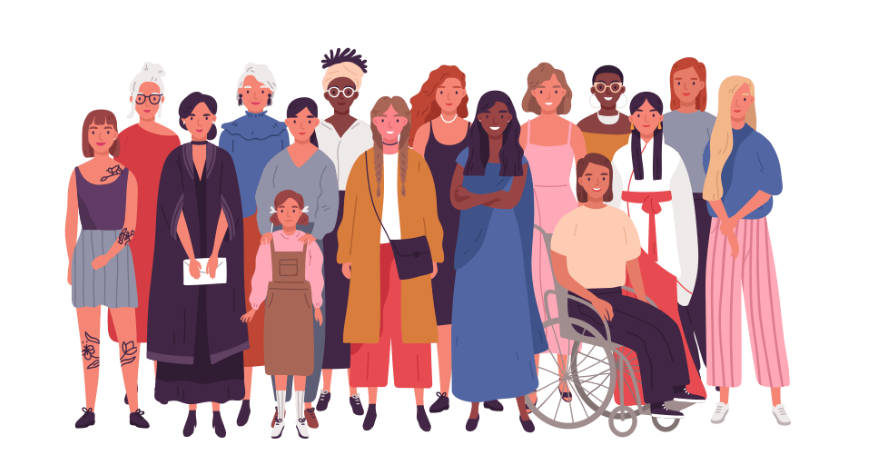
A key finding observed during this review of recent research is that clinical trials continue to underrepresent many populations, including racial and ethnic minorities, older adults, individuals with disabilities, socioeconomically disadvantaged populations, and other underserved communities. This underrepresentation limits the generalizability and external validity of trial findings, making it difficult to determine whether treatments are equally safe and effective across diverse patient populations. When trial participants do not reflect real-world populations, regulators and healthcare providers may lack critical information regarding treatment outcomes in groups that often experience the highest disease burden [3-5].
A focused mapping review examined existing regulatory guidance for inclusive trial methodology and identified 15 relevant guidelines [1]. Inclusion-related guidance is mostly focussed on the initiation stage of clinical trials, particularly protocol development, recruitment planning, and participant enrolment. In contrast, relatively little attention is paid to later activities such as trial monitoring, oversight, follow-up, analysis, dissemination, and implementation of findings. This imbalance suggests that inclusion is often viewed primarily as a recruitment challenge rather than a principle that should guide the entire research process.
Current guidelines tend to emphasize race, ethnicity, gender, socioeconomic status, and disability, but not factors such as gender identity, educational attainment, intersectionality, and other social determinants of health. As a result, many diversity dimensions remain inadequately incorporated into trial methodologies and reporting frameworks. Therefore, qualitative methods, such as interviews, focus groups, and participant engagement activities, are used to provide insight into the experiences, motivations, and barriers faced by underrepresented populations [1-2].
Evidence from clinical trials for oncology further illustrates the ongoing challenges of achieving diversity and equity in research participation. A large-scale analysis of approximately 80,000 cancer clinical trials found substantial disparities in enrolment across racial and ethnic groups. White participants were predominant in North American and European studies, while Asian populations were most represented in the Asia-Pacific region. Although Black participants showed higher representation in studies conducted in Africa and some North American settings, significant disparities persisted across many therapeutic areas and trial phases. Indigenous and Native populations remained particularly underrepresented [2].
This analysis highlights that disease burden and trial participation are often misaligned. Certain racial and ethnic groups experience disproportionately high incidence or mortality rates for specific cancers, yet they remain inadequately represented in the trials used to evaluate new therapies. This mismatch raises concerns about the applicability of study findings and may contribute to ongoing health inequities. Therefore, targeted interventions, awareness campaigns, and community-based engagement are necessary to improve participation among underrepresented populations.
Medical device research presents similar challenges. A recent scoping review of 74 pivotal medical device clinical investigations found that while age and sex were routinely reported, broader equity considerations were largely absent. Race and ethnicity were reported in only 35% of studies, and even when demographic information was collected, it was rarely incorporated into subgroup analyses or outcome evaluation. Furthermore, only 9.5% of studies reported additional equity-related variables such as socioeconomic factors, educational status, or other characteristics. Explicit equity, diversity, and inclusion frameworks were incorporated into only 2.7% of studies [3].
Perhaps the most concerning finding from this analysis was that none of the medical device studies reviewed performed formal population benchmarking or representativeness analyses to determine whether trial participants reflected the populations expected to use the devices after approval. As a result, regulators and clinicians may not have adequate evidence regarding device performance across different demographic and social groups. To balance this, equity-oriented reporting standards and structured analytic approaches should become routine components of pivotal device investigations [3].
Several recurring barriers contribute to inadequate diversity in clinical trials. Structural barriers include limited access to trial sites, transportation challenges, financial burden, time constraints, lack of health insurance coverage, and restrictive eligibility criteria. Many studies are concentrated in academic medical centres, which may be difficult to access for rural populations or underserved urban communities. Language barriers, limited health literacy, and lack of culturally appropriate communication may further reduce participation. Historical mistrust of medical research among some communities also continues to influence clinical trial participation [5].
Recent regulatory initiatives demonstrate a growing recognition of these challenges. Agencies such as the U.S. Food and Drug Administration (FDA) and Health Canada have emphasized the importance of collecting demographic data and improving representation in clinical trials. Sponsors are increasingly expected to monitor enrolment patterns by race, ethnicity, sex, and age and to develop recruitment strategies that address disparities. These efforts reflect a broader shift toward evidence generation that is both scientifically rigorous and socially equitable [2].
Moving forward, achieving meaningful diversity and inclusion will require action throughout the clinical trial lifecycle. Inclusive protocol design, community engagement, stakeholder partnerships, culturally sensitive communication materials, decentralized trial approaches, and participant-centred logistics can improve accessibility and participation. Additionally, trial sponsors should routinely conduct representativeness assessments, report demographic characteristics transparently, and perform subgroup analyses to better understand treatment effects across populations. Qualitative research should be integrated with quantitative methods to help identify barriers and support the continuous refinement of inclusion strategies.

In conclusion, recent research demonstrates that while awareness of diversity, equity, and inclusion in clinical trials has increased substantially, implementation remains inconsistent. Current guidance and practice focus heavily on recruitment but often neglect later stages of trial conduct and reporting. Therefore, to ensure that clinical evidence is scientifically robust, ethically sound, and applicable to real-world patients, inclusion must become a core methodological principle embedded throughout every stage of clinical research.
How regulatory medical writers help in DE&I plans
Medical writers play a key role in developing DE&I plans by documenting strategies for enrolling underrepresented populations and ensuring alignment with regulatory expectations from regulatory agencies. In clinical study reports and publications, medical writers accurately present demographic data and subgroup analyses, enabling transparent reporting of outcomes across diverse participant groups. They also facilitate translations and linguistic adaptations of study materials, helping to remove language barriers. By promoting inclusive communication and transparent reporting, medical writers help sponsors improve trial representativeness, equity, and the generalizability of clinical research findings.
Need help with your DE&I plans? Let’s connect!
Write to us at:
References
- Thomas T, Jones L, Dawson S, Houghton C, Hunter A, O’Connell N, Biesty L. Existing Research Guidelines for Inclusive Trial Methodology. Working toward the integration of Qualitative Research, Equity, diversity, and inclusion (EDI) and Trial Methodology: a focused mapping review. Journal of Clinical Epidemiology. 2026 Feb 21:112202.
- Raut AV, Muntode P. Diversity, Equity, and Inclusion in Cancer Clinical Trials. Journal of Datta Meghe Institute of Medical Sciences University. 2026 Jan 1;21(1):113-20.
- Buzelli ML, Dawson S, Devane D. Equity, diversity, and inclusion in pivotal medical device clinical investigations: a scoping review of studies published in the past 5 years. Journal of Clinical Epidemiology. 2026 Jun 12:112375.
- Keegan G, Crown A, Joseph K Diversity, Equity, and Inclusion in Clinical Trials Surgical Oncology Clinics, 2022; 32, 221-232
- Kahn JM, Gray DM, Oliveri JM, Washington CM, DeGraffinreid CR, Paskett ED. Strategies to improve diversity, equity, and inclusion in clinical trials. Cancer. 2022 Jan 15;128(2):216-21.